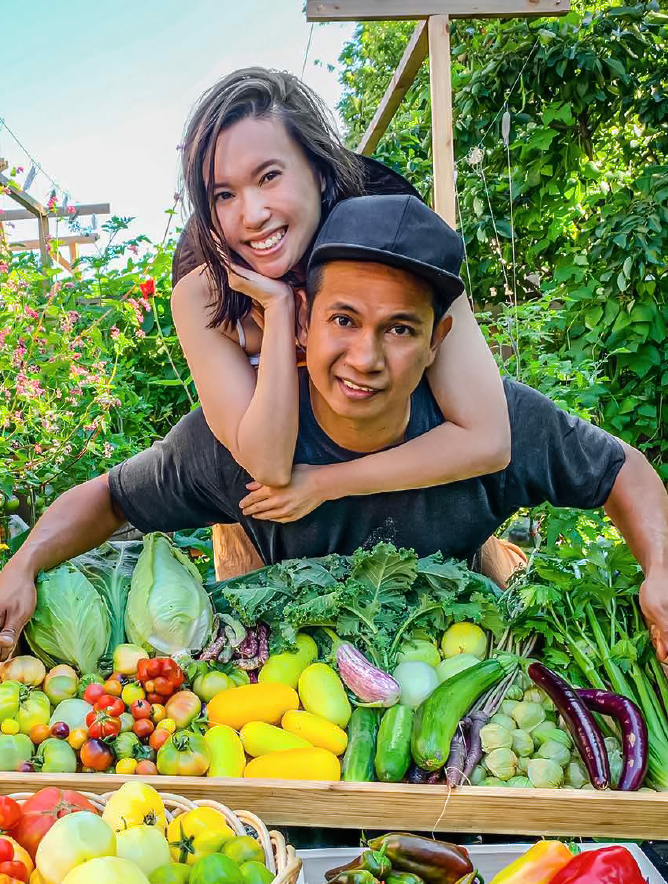

June is an exciting month for gardeners. The frost danger is gone. The soil is warm. It’s the perfect time to plant vegetables and watch them grow.
But here’s what confuses a lot of people: “Can I really plant things in June? Isn’t that too late?”
The answer is: it depends on what you’re growing. Some vegetables actually prefer being planted in June. They love the warm weather and will grow faster than plants started earlier in the year.
The best part? There are vegetables that will grow successfully in June no matter what zone you live in, whether you’re in cold zone 3 or warm zone 10.
We’re going to walk you through the top 5 vegetables you can plant right now (in June) and get real harvests from, no matter where you are. Each one comes with a simple growing tip to help you succeed.
Think of this as your June gardening cheat sheet.
Before we start: understanding your zone
You might see numbers like “zone 5” or “zone 8” when you read about plants. These zone numbers tell you about your climate, basically, how cold it gets in winter and how hot it gets in summer.
The USDA created a map that divides North America into zones 1 through 13. Higher numbers mean warmer climates.
Zone 3 is cold: think northern Canada and the northern United States. Winter temperatures drop way below freezing.
Zone 10 is warm: think southern Florida, parts of Texas, and California. Frost is rare or almost never happens.
Here’s the good news: the vegetables we’re going to talk about grow well in all zones between 3 and 10. You don’t need to worry about which zone you’re in, these will work for you.
Why June is perfect for planting
You might be wondering why we’re talking about planting in June. Aren’t spring and early summer the traditional planting time?
Yes, but June has some real advantages:
The soil is warm. Warm soil helps seeds germinate faster and helps plants grow stronger. Many vegetable seeds won’t even sprout in cold soil. In June, the soil has warmed up after months of sun.
You can see what’s happening. By June, you know what zone you’re actually in. The weather patterns are becoming clear. You know how much sun your garden gets. You know if you have shade issues. This helps you make smarter planting decisions.
You can plant quickly and get fast results. Some vegetables planted in June will produce in just 45-60 days. That means harvest in July and August when you can actually enjoy the food.
The frost danger is past. In most zones, the last frost date is long gone by June. You don’t have to worry about unexpected cold snaps killing your plants.

Our Top 5 vegetables to plant in June
1. Green beans (bush or pole varieties)
Green beans are the superstars of June planting. They grow quickly, produce heavily, and almost anyone can succeed with them.
Growing tip: Plant seeds directly in the ground (don’t start them indoors) about one inch deep, and they’ll sprout in 7-10 days in warm June soil.
Why beans are perfect for June:
- They love warm soil and air temperatures
- They germinate quickly when the soil is warm
- They’ll grow from seed to harvest in about 50-60 days
- By August or September, you’ll be picking fresh beans constantly
Here’s how to plant them:
Find a sunny spot in your garden, beans want at least 6 hours of sun. If you’re planting pole beans (the kind that climb), set up stakes or a trellis first.
Poke holes in the soil about one inch deep. Drop a seed in each hole and cover with soil. Water gently.
In about a week, you’ll see little bean plants poking through the soil. It’s exciting and happens so fast that kids especially love it.
Keep the soil consistently moist (not waterlogged) while seeds are germinating and while plants are young. Once the plants are established and growing, they’re pretty independent. Even beans that seem dry often bounce back when you water them.
You can plant beans again in mid-July or early August in most zones, and you’ll get a second harvest in fall. Beans are just generous like that.
2. Summer squash and zucchini
Summer squash (including zucchini) is the vegetable that keeps on giving. One plant will produce so much food that you’ll be sneaking it into your neighbors’ cars by August.
Growing tip: Plant seeds directly in the ground in little hills or mounds of soil, with three seeds per hill, then thin to the strongest one once they sprout, this prevents the spread of vine diseases and saves space.
Why squash is perfect for June:
- It grows incredibly fast, often ready to harvest in 40-50 days
- It produces continuously all summer
- It’s extremely hard to kill
- Even new gardeners have success
Here’s how to plant them:
Find a sunny spot with rich soil. If your soil is poor, add compost before planting.
Drop one seed in each hole. Water and wait. Seeds will sprout in about a week.
Once the plants are up and have a few real leaves, pick the strongest one and pull out the other two. This gives the winner more room to grow.
Water deeply but not too frequently. Squash prefers deep, less-frequent watering to shallow, constant watering. This encourages roots to grow deeper.
Start harvesting when squash are small and tender (usually 6-8 inches). The more you pick, the more the plant produces. If you leave squash on the plant too long, it gets tough and the plant stops making new ones.
3. Cucumbers
Cucumbers are similar to squash in many ways, but they have their own personality. They’re crisp, refreshing, and perfect for summer salads.
Growing tip: Provide a trellis or cage for cucumbers to climb on, which saves space, improves air circulation (preventing disease), and makes harvesting easier.
Why cucumbers are perfect for June:
- They grow fast and produce heavily
- They love warm weather
- They’re great for beginners
- They take up less space if you train them vertically
Here’s how to plant them:
You can start cucumber seeds indoors about 3-4 weeks before June, then transplant them, or you can direct seed them in June and they’ll be fine.
If direct seeding: Plant seeds about half an inch deep. They’ll sprout in 7-10 days.
If transplanting: Buy starter plants.
Set up your support system (trellis, stakes, cage) right away. It’s much harder to do it once plants are already growing.
Cucumbers need consistently moist soil. Don’t let them dry out completely. Irregular watering can cause bitter-tasting fruit and increase disease problems.
Pick cucumbers when they’re about 6-8 inches long for slicing varieties, or smaller for pickling varieties. Harvest regularly to keep plants producing.
4. Corn
Corn is the classic summer vegetable. There’s something magical about growing your own corn and eating it fresh from the garden, store-bought corn can’t compare.
Growing tip: Plant corn in blocks or groups (not single rows) so the pollen from plant to plant can travel on the wind and pollinate your ears properly, this is called “block planting” and it’s the secret to full ears of corn.
Why corn is perfect for June:
- Kids absolutely love growing corn
- Fresh corn is 100% better than store-bought
- It grows tall and impressive
- You can succession plant for continuous harvest
- One plant produces 1-2 ears, so plant multiple for a real harvest
Here’s how to plant it:
Direct seed corn in warm soil (at least 65°F). In most zones, this means late May or June is perfect.
Plant seeds about one inch deep and four to six inches apart. Plant in blocks (groups) rather than single rows. If you’re planting 20 seeds, plant them in a square-ish area, not a long line. This helps with pollination.
Corn will sprout in about 10 days in warm June soil. Once plants are about six inches tall, thin them so they’re about 12 inches apart.
Water deeply and regularly. Corn needs consistent moisture, especially once tassels start forming.
Feed your corn once it’s knee-high (about 3 weeks after planting). Use a balanced fertilizer or compost.
You can plant corn again in mid-June or early July in cooler zones (3-6) for a second harvest in late summer. In warmer zones (7-10), June is usually the last planting time before it gets too hot.
Harvest when ears feel full and the kernels are plump. The silk will turn brown. You can peel back the husk slightly to check if it’s ready. Eat it the same day if possible, corn starts losing sweetness immediately after picking.
5. Peas (cool-season finishing plants) and Okra (warm-season plant)
We’re giving you two options here because it depends on your zone and how hot it gets.
For cooler zones (3-6): Plant peas again in June for a fall harvest, plant in early June or mid-June for a July/August crop. Pea growing tip: Soak pea seeds overnight before planting to help them sprout faster in warm soil.
For warmer zones (7-10): Plant okra in June, it loves heat and will produce all summer. Okra growing tip: Plant seeds in warm soil (at least 70 degrees) because they’ll just sit there and rot if the soil is too cold.
Why these are perfect for June:
Cool-zone gardeners can plant peas in early June for a second harvest in late summer when temperatures cool down. You won’t get a spring harvest, but you’ll get a fall one.
Warm-zone gardeners have a chance to plant okra, which absolutely requires heat and loves June’s warmth.
General tips for June planting success in any zone
Here are some things that apply no matter what you’re growing in June:
Check your soil temperature. Seeds and plants do much better when soil is warm. If June just arrived and it’s been cool, wait a week or two. Warm June soil is perfect. Cold June soil isn’t great yet.
Make sure your garden is in full sun. By June, the sun’s angle is getting high in the sky. Most vegetables need at least 6 hours of direct sun. More is better for warm-season crops like beans, squash, and cucumbers.
Prepare your soil before planting. Work in compost or aged manure. Good soil makes everything grow better. Plants in rich soil are healthier, more productive, and handle stress better.
Water when you first plant. Whether you’re planting seeds or transplants, water them in well. Good moisture helps seeds germinate and helps transplants get over the shock of moving.
Don’t overwater once plants are growing. This is where a lot of new gardeners make mistakes. Constant water creates perfect conditions for diseases. Let soil dry slightly between waterings. Stick your finger in to check.
Feed your plants a couple weeks after planting. Once plants are growing well, a little fertilizer helps them produce more. You can use a balanced vegetable fertilizer, fish emulsion, or compost tea. Follow the package directions.

What about your specific zone?
Let’s be clear: all of these vegetables will work in zones 3-10. But timing and which ones produce best varies a little by zone.
Zone 3-4 (Cold climates): June is your prime planting time. You can plant everything mentioned here and expect harvest before frost comes in September/October. Choose varieties labeled “early” or “short season” when possible.
Zone 5-6 (Cool climates): Same as above. June planting works great. You’ll harvest all summer and into fall.
Zone 7-8 (Moderate climates): June is perfect for beans, squash, cucumbers, and basil. All will produce well. Peas will bolt (go to seed) once summer heat arrives, so you may want to skip the peas.
Zone 9-10 (Warm climates): June is getting hot. These vegetables will grow, but in extreme heat they might struggle. Provide afternoon shade if temperatures regularly exceed 95°F. Plant okra if you have it. Everything else will still work.
Your June planting plan
Here’s a simple way to think about it:
- Pick one or two vegetables from the list above that you actually want to eat.
- Check that they’re in full sun (6+ hours).
- Prepare your soil with compost.
- Plant the seeds or transplants following the tips above.
- Water appropriately, moist but not waterlogged.
- Fertilize once plants are growing.
- Harvest!
That’s it. That’s gardening.
Learning as you grow
Gardening isn’t complicated, but it is a process of learning and observing. Your June garden will teach you things.
You’ll learn how much sun different parts of your yard get. You’ll learn what pests are attracted to your garden and how to manage them. You’ll learn how different plants respond to your watering schedule.
All of this is valuable information for next year.
Some plants will thrive. Some might struggle. Some might get weird bugs. That’s all normal. That’s gardening.
The key is to pay attention, adjust, and try again next year.
Harvesting and enjoying the results
The real magic happens when you start harvesting. There’s nothing, absolutely nothing, like the feeling of walking into your garden and picking food that you grew.
Pick beans regularly. Pick squash when it’s small and tender. Pick cucumbers before they get huge. Pick basil constantly to keep it producing.
The more you harvest, the more plants produce. Harvesting isn’t depleting your plants, it’s encouraging them.
And then you get to eat what you grew. Fresh beans for dinner. Zucchini bread. Cucumber salad. Fresh basil on pasta.
This is why people garden. This is why it’s worth the effort.
You’ve got this!
June is the perfect month to plant. The soil is warm. The season is long. Success rates are high.
Pick a vegetable or two from this list. Plant them in your sunny garden or in containers if you don’t have garden space.
Water them. Watch them grow. Harvest when they’re ready.
In 4-8 weeks, you’ll be eating food that you grew yourself.
You don’t need to be an expert. You don’t need perfect conditions. You just need to start.
So pick up some seeds or transplants. Get them in the ground. Show up for them with water and attention.
Your June garden is waiting to teach you that you can grow food. And once you know that? You’re a gardener.
We can’t wait to hear about your June harvest.