They didn’t have nutrition apps or protein powder, and they were just fine. Here’s what they knew that we may have forgotten.

Let’s be honest. Eating well has gotten way too complicated. There are apps telling you to count macros and so many supplements to choose from. But here’s the thing, our great grandparents didn’t have any of that, and most of them lived long, healthy lives on simple, real food.
So what did they actually eat? And what can we bring back into our kitchens today?
They didn’t shop, they grew
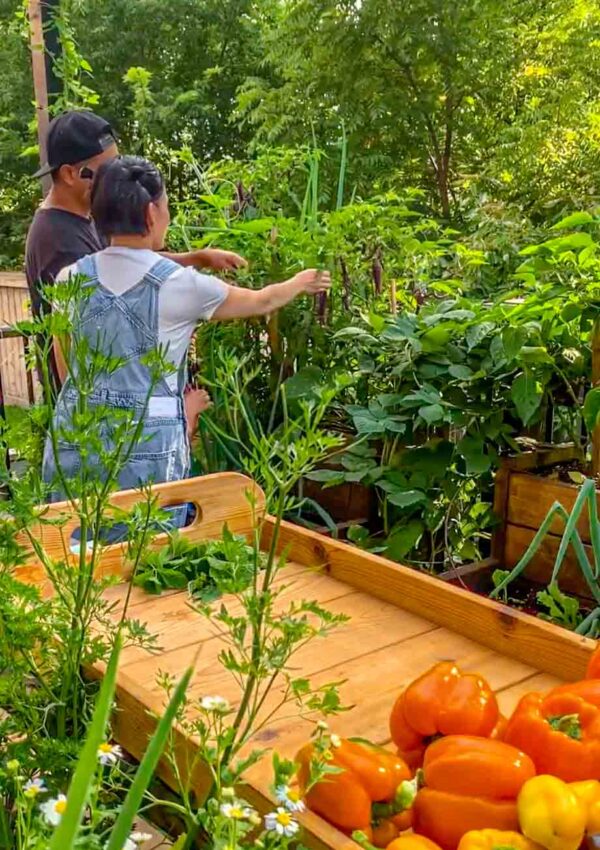
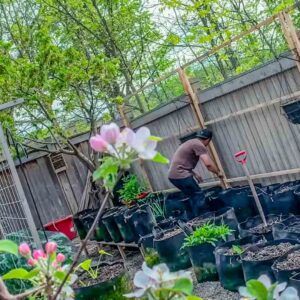
In the Philippines, a typical lola (grandmother) didn’t run to the grocery store every day. She walked out to her garden in the morning, picked what was ready, some kangkong (water spinach), a few ampalaya (bitter melon), maybe some malunggay leaves and cooked with that. Families kept chickens for eggs.
They raised baboy (pigs). And in farming areas, the family carabao wasn’t just a working animal, it was part of the household, providing milk and, eventually, meat.
This wasn’t unique to the Philippines. In Southeast Asian villages, in North American prairies, in Mediterranean hillside towns, people everywhere ate what was close to them, what was in season, and what they could grow or raise themselves.
“Real food doesn’t need a label. Your lola knew what it was just by looking at it.”
What they ate, by region
Here’s a quick look at the kinds of foods that were everyday staples for great grandparents around the world things we’ve mostly replaced with processed stuff:
?? Philippines Malunggay, ampalaya, kangkong, camote tops, fresh coconut, taro (gabi), dried fish (tuyo), mongo beans, and rice freshly cooked from whole grains.
?? Southeast Asia Lemongrass, turmeric root, galangal, fermented shrimp paste, wild herbs, banana blossoms, fresh tamarind, and whole fish from rivers.
? North America Dried beans, root vegetables, cornmeal, bone broth, preserved meats, lard cooked vegetables, fresh churned butter, and garden tomatoes.
? Mediterranean Olive oil, chickpeas, lentils, fresh herbs, whole olives, seasonal vegetables, fresh fish, homemade bread, and raw goat milk cheese.
Notice anything? None of those foods come in a bag. None of them have ingredient lists. They’re all just… food.

Filipino healing foods worth eating again
If you have Filipino roots or even if you don’t, these are some of the most nutritious traditional foods that most of us have drifted away from:
- Malunggay (Moringa) – packed with vitamins, great stirred into soups or sautéed with garlic
- Ampalaya (Bitter melon) – bitter, yes, but amazing for blood sugar and digestion
- Kamote tops (sweet potato leaves) – sautéed in oil and garlic, incredibly nutritious
- Gabi (Taro) – a root vegetable that’s filling, gentle on the stomach, and full of fiber
- Mongo (mung beans) – simple, cheap, protein-rich, and deeply comforting
- Sinigang – the tamarind-based sour soup loaded with vegetables that your lola made from scratch

Why it worked – without anyone needing to explain it
Here’s what’s interesting: our great grandparents didn’t read nutrition studies. They didn’t know what antioxidants were. But they were eating them every single day, in bitter greens, in herbs, in fermented foods, in slow cooked broths made from bones.
Plants, especially the colorful and bitter ones, are full of natural chemicals that protect our bodies from damage and inflammation. Inflammation is behind most of the big health problems we deal with today. Our ancestors were naturally fighting these diseases just by eating the way their communities always had.
“They didn’t need a wellness plan. The garden was the plan.”
You don’t have to go full farmer
Look, most of us don’t have a backyard garden or a carabao out back. That’s okay. The idea isn’t to go back in time, it’s to go back to basics.
Start small:
- Swap a packaged snack for a piece of fruit or a handful of nuts
- Cook one meal a week using only whole ingredients, no packets, no mixes
- Add one leafy green to your meals
- Visit a Filipino market and pick up something you haven’t cooked in years, ampalaya, gabi, or dried fish
- Try making a pot of mongo soup from scratch, it’s easy, filling, and costs almost nothing
The goal isn’t perfection. It’s just moving a little closer to food that looks the way it did when it came out of the ground, or off the tree, or out of the river.
Your body knows how to use real food. It’s been doing it for thousands of years. Trust your lola on this one.