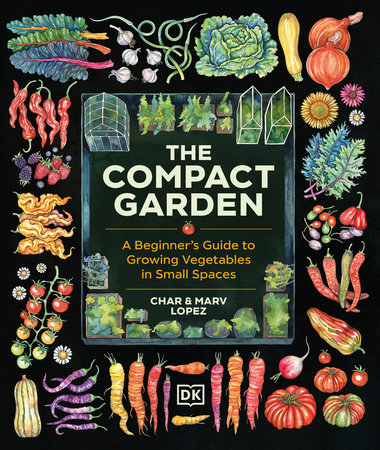
Gardening has been a part of human life for centuries. It wasn’t just a hobby or a pastime, it was a way of life. Hundreds of years ago, people grew a garden to feed their families, preserve their harvests for winter, and even trade with neighbours.
Fast forward to today, and many of us find ourselves disconnected from the source of our food. Instead of picking fresh vegetables from the backyard, we rely on grocery stores and pay high prices for organic produce.

But what if you could bring back that connection to nature and your food? Organic gardening is the answer. It’s not only cost effective but also immensely satisfying. Whether you have a sprawling backyard, a small patio, or even a sunny windowsill, you can start your own organic garden. And don’t worry if you’re a beginner, this guide will walk you through every step, from setting up your garden to harvesting your first crop.
Why organic gardening?
Before we dig in, let’s talk about why organic gardening is worth the effort:
Healthier for you and your family: Organic gardening avoids synthetic chemicals, meaning the food you grow is free from harmful pesticides and fertilizers.
Better for the environment: Organic practices promote biodiversity, protect pollinators, and reduce water pollution caused by chemical runoff.
Cost savings: Growing your own food can save you money over time, especially when you compare it to the premium prices of organic produce at the store.
Therapeutic and rewarding: Gardening is a great way to reduce stress, get fresh air, and enjoy the satisfaction of growing something with your own hands.

Step by step guide to starting your organic garden
Let’s break it down step by step so you can start your organic garden with confidence, no matter how much space you have.
Step 1: Assess your space
The first step is choosing the right spot for your garden. Even if you’re working with a small space, you can still grow plenty of plants.
Sunlight: Most vegetables and herbs need at least 6-8 hours of sunlight daily. Observe your space during the day to figure out where the sunniest spots are.
Accessibility: Choose a location that’s easy to access for watering, planting, and harvesting.
Space options: If you don’t have a backyard, don’t worry! You can use:
Raised Beds: Perfect for small yards.
Containers: Great for patios and balconies.
Vertical gardening: Use wall planters, hanging baskets, or trellises to maximize space.
Beginner tip: If you’re unsure about your sunlight availability, use a sunlight tracking app to monitor light levels in different spots.
Step 2: Prepare your soil
Healthy soil is the foundation of a thriving organic garden. Here’s how to get it right:
Test your soil: Use a soil testing kit to check for nutrients and pH levels. Most vegetables prefer a pH between 6.0 and 7.0.
Add organic matter: Enrich your soil with compost, aged manure, or organic soil conditioners to boost fertility.
Ensure proper drainage: Avoid waterlogged soil by loosening compacted areas and adding compost or sand if necessary.
Beginner tip: If you’re using containers, opt for high-quality organic potting soil. Regular garden soil is too dense for containers and can lead to drainage problems.
Step 3: What plants will you grow?
Not all plants are created equal, and some are better suited for beginners or small spaces. Here’s how to choose the right ones:
Climate compatibility: Select plants that grow well in your local climate and season.
Space efficiency: Opt for compact or dwarf varieties, such as cherry tomatoes, bush beans, or baby carrots.
Beginner friendly Plants: Start with easy to grow plants like lettuce, radishes, herbs (basil, mint, parsley), and zucchini.
Step 4: Planting
Now comes the fun part, planting your seeds or seedlings.
Spacing: Seed packets and plant labels provide valuable information about planting depth, spacing, and sunlight requirements. We don’t always follow the rules on this, we like to plant closer together on most vegetables to maximize our small space. This is the time to experiment with your space and see what works best for you.
Plant at the right depth: As a rule of thumb, plant seeds at a depth of 2-3 times their diameter.
Water immediately: After planting, water gently but thoroughly to help seeds settle into the soil.
Beginner tip: Use plant labels to identify what you’ve planted and where, it’s easy to forget once the seeds are in the ground!

Maximizing your space
Gardening can feel like a daunting task, especially when you’re working with limited space. However, with a few simple organic gardening techniques, you can transform your small garden into a thriving oasis that produces an abundance of fresh food for your family.
Companion planting
One of the best ways to make the most of our garden space is through companion planting. This method involves growing different plants together that support each other in various ways. For instance, in many traditional gardens, you’ll find corn, beans, and squash grown side by side. The corn serves as a natural support for the beans to climb, while the beans enrich the soil with nitrogen, benefiting both the corn and squash.
Another fantastic pairing is basil and tomatoes. Not only do they taste amazing together in our meals, but they also help protect each other from pests and enhance each other’s growth.
Here are some of my favourite companion plant combinations:
Basil and tomatoes: They thrive together and keep pests at bay.
Marigolds: Plant these flowers throughout the garden to deter unwanted pests. We like the French Marigold variety.
Dill and cucumbers: These two grow well together.
Squash, beans and corn
Beets and Cabbage: Planting beets under cabbage maximizes space efficiently.
Succession planting
Another effective technique for optimizing our small garden is succession planting. This approach allows us to plant various crops in intervals, which increases our overall yield and extends the harvest season.
For example, If we had a variety of cold climate vegetables in our spring garden like cabbage, cauliflower, radish, beets, turnip, broccoli, bok choy, tatsoi, kale, chard, spinach, and lettuce. Once harvested, we’ll plant in the same beds with melons, winter squash, tomatoes, peppers, okra or bitter melon.
Depending on where you live, after you harvest your summer crops, you can start growing cold climate vegetables again, allowing you to garden well into the fall and winter.
Cold frames: During early spring or late fall, this is the time we use our cold frames or greenhouse to overwinter and extend our growing season.

Grow vertical!
In a small garden, every inch counts! That’s where vertical gardening comes into play. By training plants to grow upwards instead of sprawling out, we can save space and increase our yield.
Plus, growing vertically improves airflow around the plants, which helps reduce the risk of diseases.
Trellises and cages are perfect for plants like beans, tomatoes, cucumbers, and vining squash.
Step 5: Watering and mulching
Proper watering is crucial for plant health, especially in an organic garden.
Watering tips:
Water early in the morning or late in the evening to reduce evaporation.
Aim for consistent moisture, soil should be damp but not waterlogged.
Use a soaker hose or drip irrigation system for efficient watering. This one thing has been one of the best additions to our garden. It allowed us to save time. The drip irrigation is set on an automatic timer and it waters the garden for us!
Mulching:
Add a layer of organic mulch (wood chips or shredded leaves) around your plants.
Mulch helps retain moisture, suppress weeds, and regulate soil temperature.
Beginner tip: Stick your finger into the soil to check moisture levels—if the top inch feels dry, it’s time to water.

Natural pest control
One of the biggest challenges for gardeners is dealing with pests. In organic gardening, we avoid synthetic pesticides, but that doesn’t mean you’re defenseless. Here are some natural pest control methods:
Companion planting: Certain plants repel pests. For example:
Marigolds deter aphids and nematodes.
Garlic and onions repel many insects.
Attract beneficial insects:
Ladybugs and lacewings feed on aphids.
Plant flowers like dill, fennel, and yarrow to attract these helpful bugs.
Homemade pest sprays:
Mix water with a few drops of dish soap and spray it on plants to deter soft bodied insects like aphids.
Use neem oil, a natural pesticide, to combat a variety of pests.
Handpicking: For larger pests like caterpillars, simply remove them by hand.
Beginner tip: Inspect your plants regularly for signs of pests or disease. Early intervention can prevent widespread damage.
How to make compost tea
Compost tea is an excellent way to give your plants a natural nutrient boost. Here’s how to make it:
Gather Materials:
Compost (well-aged, organic compost is best).
A 5-gallon bucket.
Water (preferably rainwater).
A mesh bag or old pillowcase.
Brew the tea:
Fill the mesh bag with compost and place it in the bucket.
Add water until the bucket is full.
Let it steep for 24-48 hours, stirring occasionally.
Apply the tea:
Dilute the compost tea with water (1:10 ratio) and use it to water your plants.
You can also spray it on leaves as a foliar feed.
Beginner tip: Use compost tea within a day or two for the best results. It’s a living brew, so it’s most effective when fresh.

Harvest
After weeks of care, it’s time to enjoy the fruits (or vegetables!) of your labour.
Know when to harvest:
For leafy greens like lettuce, pick outer leaves while the plant continues to grow.
For tomatoes, harvest when they’re fully coloured but still firm.
Harvest gently:
Use scissors or garden shears to avoid damaging plants.
For root vegetables like carrots or radishes, loosen the soil before pulling them out.
Beginner tip: Harvest regularly. Picking vegetables as they ripen encourages plants to produce more.
Composting
Organic gardening isn’t just about growing food, it’s about creating a sustainable system. Composting allows you to recycle kitchen and garden waste into nutrient rich soil.
What to compost:
Green materials: Fruit and vegetable scraps, coffee grounds, grass clippings.
Brown materials: Dry leaves, paper, cardboard.
What to avoid:
Meat, dairy, and oily foods (they attract pests).
Diseased plants or invasive weeds.
How to compost:
Layer green and brown materials in a bin or pile.
Keep the pile moist and aerate it by turning it regularly.
Beginner tip: If you’re short on space, try a worm composting bin (vermicomposting). It’s compact, odour-free, and perfect for small gardens. We designed our own worm bin that you can get at our Etsy store.
Organic gardening is a journey that connects you to nature, your food, and a more sustainable way of living. Start small, learn as you go, and don’t be afraid to make mistakes, they’re part of the process!
We truly hope this encourages you to grow your own food!
Let’s grow! ?