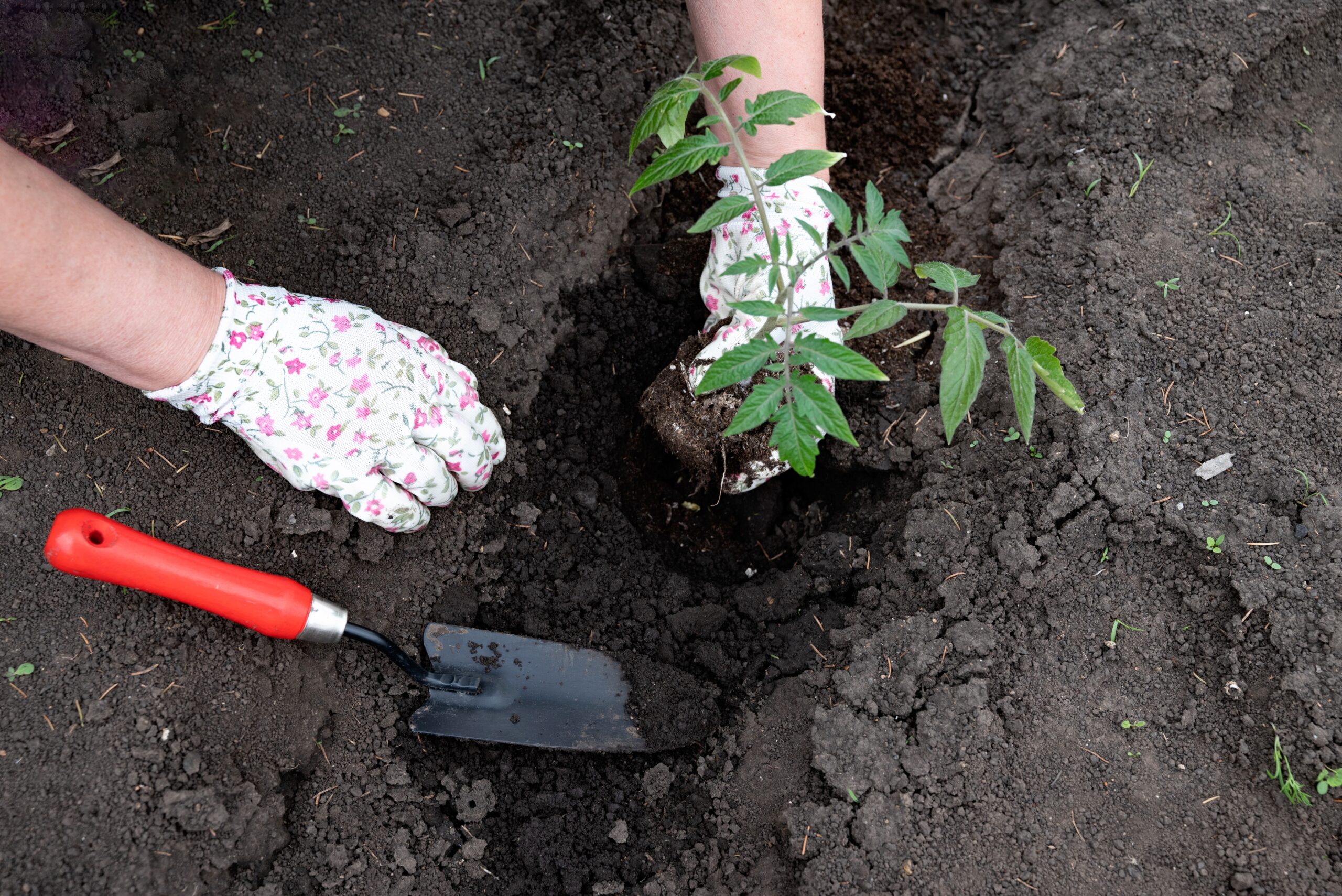
This is about no-till gardening. It’s the idea of growing food without flipping, churning, or digging up your dirt every year. Not because it’s trendy for the sake of being trendy, but because people are finally catching on to something that the ground beneath our feet has been trying to tell us all along: leave me alone and I’ll do my job.
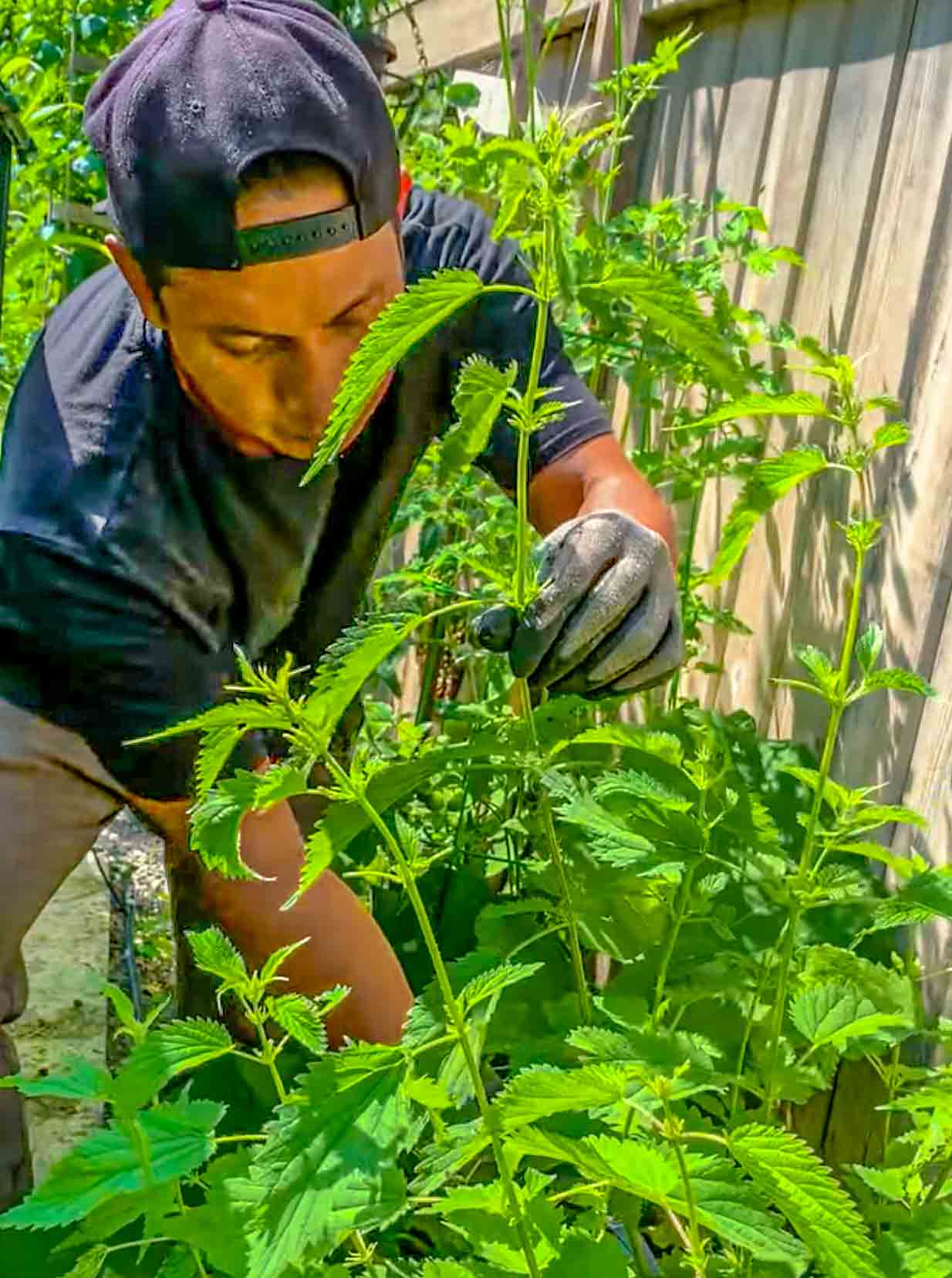
So what does “No-till” actually mean?
It means you stop turning your soil over. That’s it. No rototiller. No double-digging with a spade. You leave the ground as it is, and instead of mixing stuff in from below, you pile good stuff on top. Compost, old leaves, straw, aged manure, whatever you have. You spread it right on the surface like you’re tucking your garden in with a nice thick blanket.
Then here’s the magic part: you don’t do anything else. The worms, the bugs, the tiny little creatures you can’t even see, they do all the mixing for you.
They pull that good stuff down into the soil, chew it up, break it apart, and turn it into food for your plants. They’ve been doing this job for millions of years. They’re really, really good at it. Way better than any machine.
Think about a forest. Nobody goes out there with a rototiller every April. Nobody digs up the forest floor and flips it upside down.
And yet the soil in a forest is some of the richest, darkest, most beautiful dirt you’ll ever see. That’s no-till in action. Nature has been doing this forever. We’re just finally paying attention.
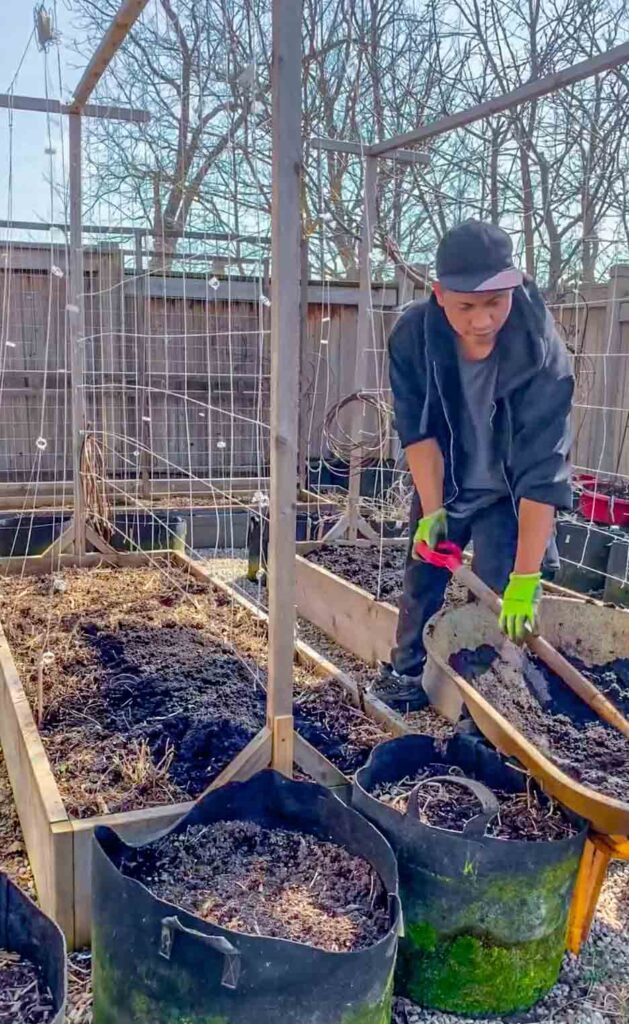
Why tilling is actually messing things up
I know, I know. Freshly tilled soil looks amazing. It’s fluffy. It smells like earth. It feels like you’ve done something productive. I get it. I loved that feeling too. But here’s what’s actually happening under the surface when you till.
Your soil is alive. Like, seriously alive. There are billions of tiny living things in just a handful of dirt, bacteria, fungi, little critters you’d need a microscope to see. They form a kind of underground city. They build tunnels.
They share food. There are even fungi that connect to your plant roots and help them drink water and eat nutrients from far away, almost like an underground delivery service. When you run a tiller through all of that, you’re basically sending a tornado through downtown. Everything gets ripped apart.
The tunnels collapse. The delivery network is destroyed. And your plants have to start from scratch, trying to rebuild those connections all over again.
On top of that, tilling brings buried weed seeds up to the surface. Those seeds were sitting in the dark, doing nothing. The second they see sunlight, they wake up and start growing. So that nice clean bed you just tilled? Give it two weeks and it’s a weed factory. You created the problem you were trying to avoid.
And if you’ve got heavy clay soil like so many of us do here in Ontario, tilling makes that worse too. Clay is made up of super tiny, flat particles. When you churn them up and then the rain comes, they settle back down even tighter than before.
It’s like shuffling a deck of cards and then pressing them together, they pack down harder. That’s why tilled clay beds often turn into something that feels like a parking lot by midsummer.
Okay, but how do I actually do this?
If you already have garden beds that you’ve been tilling every year, the switch is dead simple. This spring, just don’t till. Instead, go get a bunch of compost, homemade, store-bought, whatever you can get your hands on, and spread about five to eight centimetres of it right on top of your existing soil.
That’s roughly two to three inches. Then plant into it. Your seeds and transplants will send their roots down through the compost and into the ground below. Done. That’s the whole method.
If you’re starting a brand new bed where there’s currently grass or weeds, try what people call the “lasagna method.” It’s called that because you build it in layers, like the pasta dish. First, cut the grass or weeds as short as you can. Then lay down cardboard right on top.
Overlap the pieces so no light gets through. Now start piling on layers: compost, old leaves, straw, more compost, maybe some aged manure. Build it up about twenty to thirty centimetres high, roughly ten to twelve inches.
The cardboard smothers the grass and weeds underneath, and the layers on top become your new growing soil. You can plant right into it if you poke holes through the cardboard for transplants, or build it in the fall and let everything break down over winter so it’s ready to go in spring.
What about clay?
This is the number one question I hear, and it’s a fair one. If you garden in Ontario, there’s a solid chance you’re dealing with thick, sticky clay that makes you want to throw your shovel across the yard. Every instinct says to break it up with a tiller. But as I said above, that actually makes clay worse in the long run.
No-till is the slow fix, but it’s the real fix. When you keep piling compost and mulch on top of clay, the worms get to work. They eat the organic stuff, drag it underground, and leave behind tunnels and castings that open up the clay bit by bit.
Fungi grow through it and glue tiny particles together into crumbs that let air and water flow through. It doesn’t happen overnight. But after two or three years of doing this, you’ll reach into your garden and pull up a handful of soil that looks nothing like the grey, sticky mess you started with. It’ll be dark, crumbly, and alive. I’ve seen it happen in my own yard, and it still amazes me every time.
The trick with clay is patience and generosity. Be patient with the timeline, and be generous with the compost. More is better. Every fall, pile on a thick layer of shredded leaves. Every spring, add more compost. The clay doesn’t go away, it actually becomes an asset over time because clay holds nutrients really well. You’re just teaching it to play nicely with everything else.
The stuff people worry about (and why it’s usually fine)
“Won’t the soil be too hard to plant in?” Nope. As long as you’re adding compost and mulch every year, the top layer stays soft and loose. You can make planting holes with your hands or a small trowel.
“What about bugs and diseases hiding in the soil?” When your soil is healthy and full of life, it actually fights off problems on its own. A good, active soil is teeming with helpful bugs and microbes that eat the bad ones. It’s like having a built-in security team.
Crop rotation still matters, don’t grow tomatoes in the same spot year after year, but the overall pest pressure tends to go down, not up, once your soil finds its balance.
“Is this just for lazy gardeners?” I’d call it smart, not lazy. The first year takes a bit of effort, especially if you’re building new beds from scratch. But from year two onward, the amount of work drops off a cliff. You’re not tilling. You’re weeding way less.
You’re watering less because the mulch holds moisture in. And your plants grow stronger because the soil underneath is getting healthier every single season. That’s not cutting corners. That’s letting the system work the way it was designed to.

My honest take
I switched to no-till after watching one too many YouTube videos about soil health. I’ll be honest, the first spring felt strange. Standing in the garden without a tiller felt like showing up to a job site without tools.
But then summer came. My tomatoes were bigger. My peppers were healthier. The weeding that used to eat up my entire Saturday morning took about twenty minutes. And the soil, oh, the soil.
By fall of that first year, I could push my finger into ground that used to need a pickaxe. Earthworms everywhere. That rich, earthy smell every time I moved the mulch aside. I was hooked.
Give it a try this spring
You don’t have to change your entire garden overnight. Pick one bed. Just one. Leave the tiller in the shed for that bed. Pile on some compost, plant your seeds or transplants, cover the bare soil with straw or leaves, and see what happens. Watch the worms show up. Notice how the weeds slow down. Feel how the soil changes over the season.
I think you’ll be surprised. Not because no-till is some kind of miracle. But because the ground already knows how to grow things beautifully, we just have to stop getting in its way.
Happy growing, friends. Now go put that tiller on Marketplace and buy yourself a truckload of compost instead.