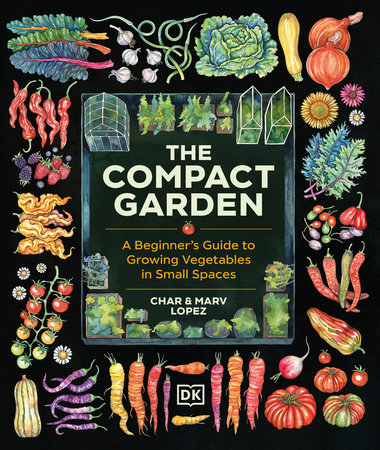
When we first entered the gardening world, we started with the usual suspects from the local garden centre, those familiar favourites that everyone knows. But what about the hidden gems, like callaloo, tatsoi, chayote, kohlrabi, sunchokes, gai lan, and mizuna? We were amazed at how many underrated vegetables were out there, waiting to be discovered.

Our experience with growing these unique vegetables was an eye opener. At first, we felt unsure. Could we really grow anything beyond the usual tomatoes and cucumbers? However, as we started to explore these vegetables, we discovered that each one adds its own special flavour to our meals. This opened up a whole new world of culinary possibilities, allowing us to experiment with different cultural dishes we might never have considered cooking before.
Imagine biting into the crisp, refreshing crunch of kohlrabi or savouring the nutty, earthy taste of sunchokes. Each new vegetable became a delightful surprise, adding variety to our meals.
Here are our Top 10 most underrated vegetables you should consider growing too:
1. Daikon radish
Why it’s underrated:
Daikon radish is often overlooked because many people are more familiar with red radishes or other common vegetables. It has a mild flavour and is used mostly in Asian dishes, so people might not know how to cook with it or realize how versatile it can be.
Culinary uses:
Daikon radish can be enjoyed in various ways, such as adding crunch to salads when shredded or sliced. It also works well in pickles, soups, and stir fries, and can be served raw in sushi rolls or roasted for a side dish.
2. Kohlrabi
Why it’s underrated:
This alien looking vegetable is a member of the cabbage family and thrives in cool weather, making it perfect for us in zone 5b. Kohlrabi is both nutritious and delicious, with a crisp texture that’s hard to beat.
Culinary uses:
Both the bulb and leaves are edible. The bulb can be eaten raw in salads, or cooked in various dishes, while the leaves can be sauteed or added to soups.
3. Tatsoi
Why it’s underrated:
This cold hardy Asian green is similar to spinach with a unique rosette shape. Tatsoi grows quickly and can be harvested even in early spring or late fall.
Culinary uses:
Tatsoi can be eaten raw in salads or lightly steamed, stir fried, or added to soups. Its versatile flavour complements various dishes, providing a nutritious boost.

4. Celeriac
Why it’s underrated:
Celeriac, also known as celery root, is a root vegetable with a mild celery flavour. It stores well over winter and is known for its versatility in the kitchen.
Culinary Uses:
Celeriac can be used in soups, stews, or mashed as a potato alternative. Its unique taste adds depth to dishes, making it a wonderful addition to any winter meal.
5. Malabar spinach
Why it’s underrated:
Despite its name, Malabar spinach is not a true spinach but rather a heat tolerant, climbing vine that produces thick, glossy leaves. It’s perfect for extending your greens harvest into the warmer months, as it thrives in hot weather.
Culinary uses:
The leaves can be used in salads, stir fries, or soups. Their succulent texture and mild flavour make them a delightful addition to any dish.
6. Sunchokes
Why it’s underrated:
These tubers are incredibly easy to grow, even in poor soil conditions. Sunchokes are a great source of inulin, a prebiotic fibre that supports gut health. They are also drought resistant and can thrive with minimal care.
Culinary uses:
Sunchokes can be roasted, mashed, or added to soups. Their nutty taste and crunchy texture make them a delightful addition to salads as well.

7. Callaloo
Why it’s underrated:
Popular in Caribbean and South Asian cuisines, amaranth is a dual purpose plant. Its leaves are nutrient rich and can be cooked like spinach, while its seeds can be harvested as a gluten free grain called Amaranth.
Culinary uses:
The leaves are often used in soups, stir fries, or as a cooked green, while the seeds can be ground into flour or popped like popcorn, adding unique textures to your dishes.
8. Mizuna
Why they’re underrated:
These fast growing greens are cold hardy and add a peppery kick to salads and stir fries. They are ideal for succession planting, allowing for multiple harvests throughout the growing season.
Culinary uses:
Mizuna can be eaten raw in salads, sauteed, or incorporated into soups.

9. Gai lan
Why it’s underrated:
Chinese broccoli, or gai lan, features thick stems and small florets, offering a unique flavour that is both sweet and slightly bitter. This vegetable is a staple in Asian cuisine and can be harvested multiple times throughout the growing season.
Culinary uses:
Gai lan can be stir fried, steamed, or used in soups, making it a versatile ingredient that adds flavour and nutrition to your dishes.
10. Chayote
Why it’s underrated:
Chayote is a versatile squash that can be eaten raw or cooked. It’s a great source of vitamins and can be grown as a vine, making it perfect for vertical gardening in limited spaces. Although it thrives in warmer temperatures, it can be started indoors in cooler climates.
Culinary uses:
Chayote can be used in salads, stir-fries, or baked dishes. Its mild flavour allows it to absorb seasonings well, making it a great canvas for various culinary creations.
So why not take the plunge? Try something new! You might discover a new favourite that earns a permanent spot in your garden year after year. And even if a particular vegetable doesn’t quite tickle your taste buds, you’ll at least have the satisfaction of having tried something outside the box.
Happy gardening, everyone! 💚