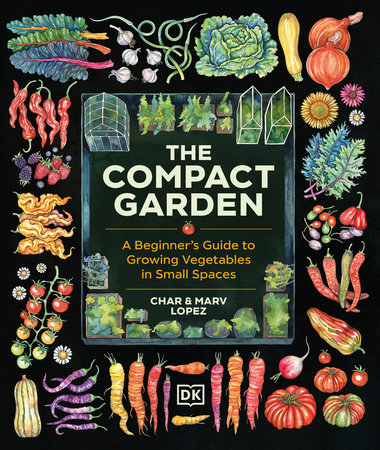
Hummingbirds are nature’s tiny jewels, bringing energy and beauty to any garden they visit. Their unique ability to hover and their preference for nectar rich plants make them fascinating to watch. If you want to attract these delightful creatures to your garden, planting the right mix of vegetables, fruits, and flowers is key.

Hummingbirds are especially drawn to bright colours like red, orange, and pink, as well as plants that produce high levels of nectar or small, accessible fruits.
Vegetables are not the first thing that comes to mind when planning a hummingbird friendly garden, but certain vegetables produce flowers that these tiny birds love. Here are four plants that can double as hummingbird attractants:
Runner Beans
- Runner beans are a dual purpose plant, providing both edible pods for gardeners and bright, nectar rich flowers for hummingbirds. The tubular flowers are perfectly suited to their long beaks.
- Colour attraction: Bright red or orange.
- Blooming season: Late spring to summer
- Bonus tip: Grow them on trellises or fences for a vertical display that hummingbirds can easily spot.
Okra
- Why: Okra plants produce large, hibiscus like flowers that are rich in nectar. While the vegetable pods are the main harvest, the flowers act as a natural lure for hummingbirds.
- Colour attraction: Pale yellow with a deep red or burgundy
- Blooming season: Summer to early fall.
- Bonus tip: Okra thrives in warm climates and can add a tropical flair to your garden.
Squash
- Why: Squash plants produce large, trumpet shaped flowers that hummingbirds find irresistible. These flowers are also a source of nectar for other pollinators like bees.
- Colour attraction: Bright yellow or orange.
- Blooming season: Summer
- Bonus tip: Choose summer squash or pumpkins for a productive plant that benefits both you and the birds.
Tomatoes
- Why: While tomatoes themselves don’t attract hummingbirds, their small yellow flowers can draw them in. Tomato plants also tend to attract insects, which hummingbirds eat for protein.
- Colour attraction: Yellow flowers.
- Blooming Season: Late spring to summer
- Bonus tip: Plant indeterminate tomato varieties to keep flowers blooming throughout the growing season.

Fruits are another excellent addition to a hummingbird-friendly garden. While hummingbirds primarily feed on nectar, some fruiting plants provide flowers or small berries that appeal to them.
Serviceberry
- Why: Serviceberry is a native shrub or small tree that produces white, nectar rich flowers in spring. After flowering, it produces small, sweet berries that attract other birds as well.
- Colour attraction: White flowers.
- Blooming season: Early spring
- Bonus tip: Plant serviceberry as a multi seasonal plant, it provides flowers for hummingbirds in spring and berries for other wildlife in summer.
Elderberry
- Why: Elderberry plants produce clusters of tiny, fragrant white flowers that hummingbirds enjoy. While the flowers are the primary attraction, the plant’s dark berries also draw other birds.
- Colour attraction: White flowers.
- Blooming season: Late spring to early summer
- Bonus tip: Elderberries thrive in moist soil, making them perfect for wetter areas of your garden.
Flowers are the most effective way to attract hummingbirds to your garden. Their bright colours and nectar filled blooms are like magnets for these little birds. Here are four flower types that will bring hummingbirds flocking to your space:
Trumpet honeysuckle
- Why: This climbing vine produces tubular flowers that are perfectly shaped for hummingbirds. The plant offers abundant nectar and blooms over a long period.
- Colour attraction: Red, orange, or pink.
- Blooming season: Late spring to summer
- Bonus tip: Grow honeysuckle on trellises, arbors, or fences to create vertical interest in your garden.
Columbine
- Why: Columbine flowers are uniquely shaped, with spurred petals that hold nectar deep inside. Hummingbirds are one of the few pollinators that can access it.
- Colour attraction: Red, orange, or yellow.
- Blooming season: Spring to early summer
- Bonus tip: Columbines thrive in partial shade, making them ideal for woodland gardens.
Butterfly weed
- Why: This native wildflower is a rich nectar source for both hummingbirds and butterflies. Its bright clusters of flowers are easy to spot from a distance.
- Colour attraction: Orange or yellow.
- Blooming season: Summer
- Bonus tip: Butterfly weed is drought tolerant and perfect for sunny, low maintenance gardens.
Impatiens
- Why: Impatiens are shade loving annuals that produce bright, nectar filled flowers. Their compact size makes them ideal for container gardens or as bedding plants.
- Colour attraction: Red, pink, and orange.
- Blooming season: Spring to fall
- Bonus tip: Keep impatiens well watered to ensure continuous blooms throughout the growing season.
Hummingbirds have evolved to seek out plants that provide a reliable source of nectar. They are particularly attracted to:
Tubular lowers: The shape of these flowers aligns perfectly with a hummingbird’s long beak and tongue, allowing them to reach deep into the bloom to access nectar.
Bright colours: Hummingbirds are visually drawn to bold shades like red, orange, and pink, as their vision is attuned to ultraviolet light.
Seasonal availability: Hummingbirds migrate seasonally, so having plants that bloom at different times of the year ensures they have food when they arrive or pass through your garden.
To keep hummingbirds visiting your garden throughout the year (where climate permits), plan your garden with plants that bloom or bear fruit in different seasons:
- Spring: Plant columbine, serviceberry, and runner beans to welcome early arrivals.
- Summer: Focus on butterfly weed, squash, and trumpet honeysuckle to sustain hummingbirds during their busiest season.
- Fall: Keep impatiens and okra blooming late into the season to feed migrating birds.
- Winter (in warm climates): Consider overwintering plants like elderberry to provide a food source.
Final tips
- Group plants together: Cluster flowering plants of the same type to create a larger visual and nectar resource for hummingbirds.
- Provide fresh water: Install a birdbath, fountain, or mister to give hummingbirds a place to drink and bathe.
- Avoid pesticides: Chemicals can harm hummingbirds and reduce the availability of insects they eat for protein.
- Add feeders: Supplement natural nectar with hummingbird feeders filled with a sugar water solution (4 parts water to 1 part sugar). We have this one in our garden and we see hummingbirds around our deck area. It’s such a delight when you see them!
By planting a mix of vegetables, fruits, and flowers that attract hummingbirds, you’ll create a vibrant, multi functional garden that benefits both you and these remarkable birds. Not only will you enjoy their dazzling colours and acrobatics, but you’ll also be supporting important pollinators in your ecosystem.
We hope that this information will help you decide on what plants to grow this season to attract hummingbirds into your garden!
Let’s grow!!