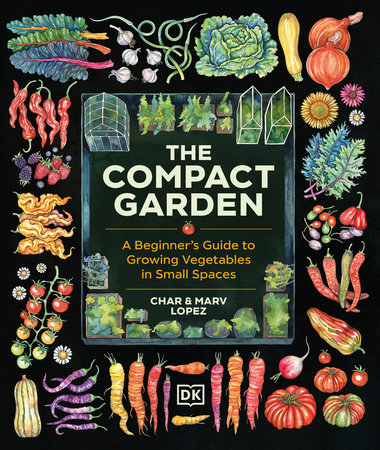
When we first started gardening, we had a rather limited understanding of what it meant to have a garden. We believed that planting vegetables was all there was to it. Little did we know that adding flowers and focusing on feeding our soil could transform the entire experience.

While it may not be a secret to everyone, we wish we had discovered this knowledge sooner, as it has significantly improved our gardening results. Let’s talk about the wonderful benefits of mixing flowers with vegetables, along with the importance of building and nurturing our soil.
When our gardening journey began, we were filled with such excitement. We pictured a bountiful vegetable garden filled with fresh tomatoes, cucumbers, carrots, and more. We set out to plant our first seeds. We spent hours building our raised planters and watering our young plants. The anticipation of watching them grow was thrilling, but we quickly learned that gardening came with its own set of challenges.
One of the most frustrating aspects of growing vegetables was dealing with pests. Insects and small critters seemed to have a knack for finding their way into our garden, munching on our precious plants before they could fully develop. We tried various methods to keep these pests away. Yet, despite our efforts, it often felt like an uphill battle.
As we continued to research and learn more about gardening, we stumbled upon companion planting. This technique involves planting different types of plants close to each other for mutual benefit.
It was then that we discovered how flowers could play a vital role in enhancing a vegetable garden. We learned that certain flowers attract beneficial insects, such as pollinators and natural predators of pests.
In addition to adding flowers, we also realized the importance of feeding our soil. Healthy soil is the foundation of a blooming garden. It not only provides essential nutrients to our plants but also supports beneficial microorganisms that help break down organic matter.
By incorporating compost, mulch, and natural amendments, we were able to build a rich, nutrient-dense soil that nourished both our flowers and vegetables.

Once we understood the combined benefits of flowers and healthy soil, we were eager to give it a try. We began incorporating various flower varieties into our vegetable garden, and the results were astonishing. One of the first flowers we added were marigolds.
These cheerful, bright orange and yellow flowers are not only beautiful but also known for their ability to deter aphids and nematodes. We planted them alongside our tomatoes and peppers, and to our delight, we noticed a significant decrease in the number of pests.
With the addition of flowers and the focus on building our soil, our garden transformed into a vibrant ecosystem. The once quiet garden space became alive with activity. Bees buzzed from flower to flower, and butterflies flew by, attracted by the colorful blooms.
This influx of pollinators not only made our garden more beautiful but also improved the overall health of our plants. Many vegetables depend on pollination for fruit production, and having these helpful insects around made a noticeable difference in our harvest.
The flowers provided a habitat for beneficial insects, such as ladybugs and lacewings. These tiny predators feed on common garden pests, like aphids and spider mites. With their help, we realized that we created natural balanced ecosystem in our garden.
It was rewarding to see how the addition of flowers and the focus on soil health not only enhanced the beauty of our space but also fostered a healthier environment for our vegetables to thrive.
As the seasons changed and our garden continued to grow, the benefits of mixing flowers with vegetables and feeding our soil became increasingly clear. Our harvests improved significantly. The tomatoes were larger and juicier, the cucumbers were crisp and plentiful, and the carrots grew straight and strong.
We couldn’t believe the difference it made to have flowers alongside our vegetables and nutrient-rich soil. It felt like a harmonious partnership that benefited both types of plants.
Another unexpected advantage was the reduction in time and effort we needed to put into pest control. With fewer pests to contend with, we spent less time worrying about our garden and more time enjoying it. We could stroll through the rows of plants, admiring the colors and scents that filled the air.
Gardening became less of a chore and more of a joyful experience.

If you’re thinking about incorporating flowers into your vegetable garden, it’s important to choose the right varieties. Some flowers are particularly beneficial for attracting pollinators and repelling pests. Here are a few great options to consider:
- Marigolds: As mentioned earlier, marigolds are fantastic for pest control and can help keep aphids and nematodes at bay.
- Nasturtiums: These lovely flowers not only add a pop of color but also repel aphids and whiteflies. Plus, their leaves and flowers are edible, adding a peppery flavor to salads!
- Sunflowers: Tall and striking, sunflowers attract bees and other pollinators while providing a natural trellis for climbing plants.
- Borage: This herb has beautiful blue flowers and is known to attract bees. It also improves the health of nearby plants.
- Calendula: Known for its bright orange and yellow flowers, calendula can help attract beneficial insects while also being a great companion for tomatoes.
When selecting flowers, we consider our local climate and growing conditions. Some flowers may thrive in specific environments, while others may not do as well. It’s always a good idea to do a little research to find the best choices for your area.
Our journey of growing our own food has taught us the incredible benefits of mixing flowers with vegetables and the importance of feeding our soil. By incorporating flowers and focusing on building healthy soil into our garden, we have seen a significant improvement in pest control, increased pollinator activity, and more abundant harvests. Beyond the practical advantages, we have also created a beautiful space that brings us joy!
If you are starting your gardening journey or looking to enhance your existing garden, we encourage you to consider adding flowers to your vegetable patch while also nurturing your soil. This simple change can make a world of difference, turning your garden into a thriving and lively ecosystem. Happy gardening!