Living in an era where power outages can happen unexpectedly, we feel it’s essential to embrace self reliance. For instance, at the end of March, we had an ice storm in Ontario, and many places throughout the region experienced power outages. Our neighbourhood occasionally faces blackouts, and surprisingly, we barely noticed them. Why? Because we had taken deliberate steps to ensure that our household could partially continue functioning, even when the grid went dark.

Here’s how we achieved that and how you can too!
During the day, we rely on portable batteries to run most of our appliances. These handy devices have become our lifeline. When the power goes out, we can still brew our morning coffee, keep our devices charged, and even power up our small kitchen appliances. If the blackout lasts longer than a few hours, we’re fortunate to have larger capacity batteries that can keep our fridge and freezer running.
It’s not perfect, but it gives us peace of mind.
The portable batteries are equipped with various outlets, making it easy to connect everything from lights to kitchen gadgets. They provide us with the flexibility to work from home, enjoy our hobbies, and maintain a normal routine, even when the electricity is out. This sense of control is invaluable, especially when the world around us feels unpredictable.
While we dream of having a permanent solar power grid on our roof, that’s above our budget at the moment. However, we’ve taken steps to integrate solar panels with our batteries, allowing us to harness the sun’s energy when it’s available.
Charging our batteries overnight when electricity costs only 2 cents per kWh, compared to 29 cents during the day, is a game changer. This setup not only reduces our reliance on the grid but also helps us save money!

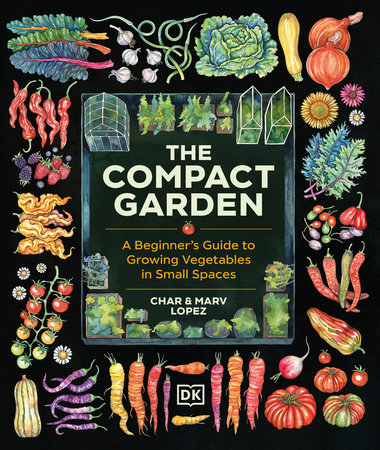
Another way to be self reliant is by growing our own food! This is perhaps the most transformative step towards genuine self sufficiency. It’s more than just a hobby, it’s a revolutionary act of taking control of our nutrition, reducing dependency on external food systems, and connecting with the most fundamental aspect of human survival.
The journey of growing our own food begins with understanding our environment. Not all gardens are created equal, and success depends on carefully assessing our unique space and conditions. Whether we have a backyard, a balcony, or a windowsills, there are ways to produce our own food.
- Backyard gardens: If we have a backyard, we’re in an ideal position. Start by testing the soil, local agricultural extensions often provide affordable soil testing services. Understanding our soil’s pH, nutrient content, and composition is crucial. Most vegetables prefer slightly acidic soil (pH 6.0-6.8) with good drainage and rich organic matter.
- Container gardening: Containers can transform balconies, patios, and even indoor spaces into productive growing areas. Choose containers with proper drainage, at least 12 inches deep for most vegetables.
- Indoor hydroponic gardening: we transformed our basement and garage into a grow operation that cultivates food for our family during the winter months. We got most of our equipment to grow from Spider Farmer.

What to grow: maximizing your space
Some easy-to-grow options include:
- Lettuce and salad greens: Quick to germinate and can be harvested multiple times.
- Tomatoes: A favourite for many gardeners, they thrive in warm weather and yield abundant fruit.
- Herbs: Basil, parsley, and cilantro can be grown in small spaces and enhance our culinary creations.
Planning and planting
Once we’ve chosen your crops, it’s time to plan your garden layout. You can employ techniques like companion planting, which involves placing certain plants together to enhance growth and deter pests. For example, planting marigolds alongside tomatoes can help ward off harmful insects.
When planting, it’s important to consider the planting season. Some crops thrive in spring, while others prefer the cooler temperatures of fall.
By staggering our planting times, we can ensure a continuous harvest throughout the growing season.
Caring for your plants involves regular watering, weeding, and monitoring for pests. You can set up a watering schedule and use mulch to retain moisture and suppress weeds. Additionally, natural pest control methods, such as introducing beneficial insects or using organic sprays, can help keep your plants healthy without harmful chemicals.
As your plants grow, you’ll begin to see the fruits of our labour. Harvesting should be done regularly to encourage further growth and prevent over ripening. The joy of picking fresh vegetables and herbs from our garden is unparalleled, and it connects us to the food we eat.
To maximize your self reliance, we can also learn to preserve our harvest. Techniques like canning, freezing, and dehydrating allow you to enjoy your homegrown bounty long after the growing season ends. You can experiment with different preservation methods, creating sauces, jams, and dried herbs that will sustain you through the winter months. There are plenty of options to choose from!

The benefits of growing your own food
Nutrition: Homegrown produce is often fresher and more nutritious than store bought options. You can enjoy the peace of mind that comes from knowing exactly what went into your food.
Cost savings: Growing your own food can significantly reduce grocery bills. While there are initial costs associated with setting up a garden, the long term savings can be substantial.
Connection to nature: Gardening fosters a deeper connection to the environment. Spending time outdoors and nurturing plants helps to appreciate the natural world around us.
Empowerment: The act of growing your own food is empowering. It instills a sense of accomplishment and self sufficiency.
Sustainability: By growing your own food, you contribute to a more sustainable way of living. You reduce your carbon footprint by minimizing transportation and packaging associated with store bought produce.

Top 10 ways to get self reliant and take back your power
If you’re inspired to become more self reliant, here are 10 small steps you can take to begin your journey:
- Invest in portable batteries: Start with a few portable batteries to keep essential devices running.
- Explore solar options: Look into solar panels that can charge batteries and reduce your reliance on grid electricity.
- Stock your pantry: Keep a supply of non perishable foods and essentials to last through outages.
- Learn to cook with alternative means: Experiment with cooking using batteries or outdoor grills.
- Create an emergency kit: Prepare a kit with flashlights, candles, first-aid supplies, and important documents.
- Develop a backup heating/cooling plan: Consider options for heating or cooling your home in case of outages.
- Grow your own food: Start a small garden or container garden to supplement your pantry with fresh produce.
- Practice resourcefulness: Learn skills like canning, preserving, or DIY repairs to reduce dependence on others.
- Stay informed: Keep up with local news regarding power outages and emergency preparedness.
- Engage: Share tips and resources with neighbours to build a support network.
Becoming self reliant is not about completely shutting off from society; it’s about being prepared and having the ability to weather life’s storms, literally and metaphorically. By taking even small steps toward self sufficiency, we can feel empowered and ready for whatever challenges come our way. Start today, and you’ll find that the journey both fulfilling and liberating!